Overview
Leadership is built through experience and teamwork, making community centres an ideal place to develop these skills. From youth sports and after-school programs to arts and community events, every activity offers valuable lessons in responsibility, communication, and collaboration. In this blog post, we’ll explore how community centre programs foster leadership and highlight how Westhaven Elmhurst Community Recreation Association helps participants grow as individuals and active members of their community.
Highlights
- • How community centre programs foster leadership
- • Leadership built through recreational programs
- • Leadership built through volunteering
- • Leadership built in diverse communities
Introduction
If you’re looking for ways to help your child or teen build confidence, responsibility, and strong communication skills, community centre programs are an excellent place to start. Beyond providing a safe and engaging environment, these programs encourage young people to step outside their comfort zones, work as a team, and develop leadership skills that benefit them in school, future careers, and everyday life.
Keep reading to discover how community centre programs shape tomorrow’s leaders and why encouraging your child to drop by may be one of the most valuable investments you can make in their personal growth.
How Do Community Centre Programs Shape Future Leaders?
Leadership isn’t developed overnight. It grows through experiences that encourage children and teens to communicate, solve problems, take responsibility, and work alongside others. Research consistently shows that participating in extracurricular activities helps young people develop the communication, confidence, and leadership skills they continue to use throughout adulthood.
Community centre programs create these opportunities in a supportive environment where participants can learn through experience rather than instruction alone.
By participating in activities that challenge them in positive ways, young people gradually develop the confidence, responsibility, and interpersonal skills needed to become effective leaders. The lessons they learn extend far beyond the community centre, helping them navigate school, relationships, future careers, and everyday life.
Can Leadership Be Learned?
Absolutely. Leadership isn’t reserved for team captains or student council members. It develops every time children encourage a teammate, help solve a problem, or step outside their comfort zone to try something new. These everyday moments build habits that prepare young people to become dependable leaders at school and throughout their lives. The more opportunities they have to practice these skills in supportive environments, the more prepared they’ll be to handle challenges, inspire others, and make thoughtful decisions as they grow.
Why Does Leadership Start With Participation?
Simply joining a community program is the first step toward developing leadership. Whether participating in an after-school program, joining a youth basketball league, or attending a music production class, children begin learning how to work with others, respect different perspectives, and contribute to a shared goal.
Every activity introduces new challenges that encourage personal growth while helping participants become active members of their community. As they become more comfortable trying new things, speaking up, and supporting others, they begin developing the habits that naturally lead to leadership. These small moments of participation often become the foundation for much larger accomplishments in the future.
How Do Recreational Programs Develop Leadership Skills?
Community recreation provides a unique environment where leadership develops naturally through participation rather than competition alone. Every program introduces opportunities for children and teens to communicate, collaborate, and overcome challenges while discovering their own strengths. Because these lessons are learned through enjoyable, hands-on experiences, they often leave a lasting impression that carries into other areas of life.
How Do Sports Teach Leadership?
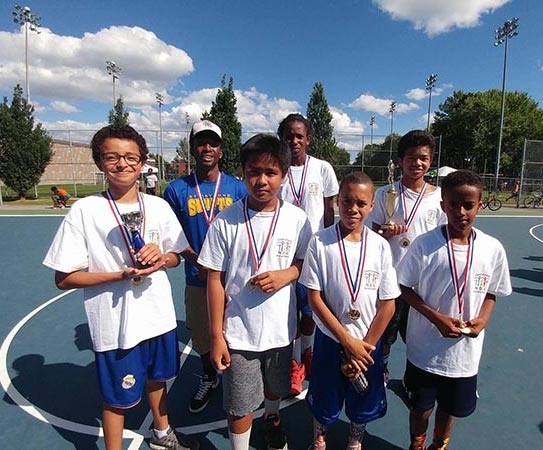
Youth basketball teaches much more than athletic ability. Players learn how to communicate under pressure, support teammates through setbacks, and remain committed to shared goals even when success isn’t guaranteed. They also learn the importance of preparation, perseverance, and respecting coaches, teammates, and opponents. Over time, these experiences help children understand that strong leaders don’t simply perform well individually. They encourage others, remain positive through challenges, and help bring out the best in those around them.
Sports also encourage participants to:
- • Communicate effectively: Work together during practices and games while learning to encourage teammates and listen to coaching
- • Accept responsibility: Understand how individual effort contributes to the success of the entire team and learn to be accountable for their actions
- • Build resilience: Learn to respond positively to mistakes, setbacks, and challenges while continuing to work toward their goals
- • Lead by example: Encourage teammates with a positive attitude, demonstrate good sportsmanship, and inspire others through consistent effort rather than words alone
Can Creative Programs Build Leadership?
Leadership isn’t limited to athletics. Programs like art classes and music production encourage children and teens to think creatively while expressing themselves in new ways. Completing creative projects also teaches patience, perseverance, and the willingness to share ideas with others.
As participants learn new techniques and overcome creative challenges, they discover that growth often comes from persistence rather than perfection. These experiences help children become more comfortable contributing their ideas, solving problems creatively, and supporting collaborative projects.
Creative activities also encourage participants to embrace constructive feedback and view challenges as opportunities to improve. Learning to refine their work while respecting different perspectives helps prepare them for future collaborative environments at school and beyond.
Why Does Music Production Encourage Collaboration?
Creating music involves much more than learning software or recording equipment. Whether producing music independently or collaborating with others, participants learn how to transform creative ideas into finished projects that connect with listeners. Along the way, they develop communication skills, learn to accept feedback, and discover how combining different perspectives often leads to stronger results.
Creating something meaningful requires planning, patience, and a willingness to refine ideas until everyone is proud of the final product. These are valuable leadership qualities that help young people work effectively with others while taking ownership of their contributions.
How Does Volunteering at a Community Centre Build Leadership?
Volunteering at a community centre gives children and teens the opportunity to put leadership skills into practice. By supporting programs, assisting staff, and helping create a welcoming environment, they learn that leadership is about making a positive difference rather than seeking recognition. Taking on these responsibilities also strengthens their sense of accountability and connection to their community.
Why Does Volunteering Build Leadership?
Volunteering gives children and teens the opportunity to see how their actions can positively influence the people around them. Instead of participating solely for themselves, they begin thinking about how they can support others, contribute to their community centre, and make someone else’s experience more enjoyable. They quickly learn that even small actions, such as welcoming a new participant or helping with activities, can have a lasting impact. As their responsibilities grow, so does their understanding of what it means to lead with kindness, reliability, and purpose.
Volunteering strengthens leadership by teaching you how to:
- • Support others with purpose: Help younger participants, welcome newcomers, and create a positive experience for everyone
- • Take initiative: Recognize where help is needed and become someone others can rely on
- • Take ownership of responsibilities: Follow through on assigned tasks, stay organized, and understand the importance of being dependable
- • Contribute to something bigger: Help the community centre provide meaningful programs that benefit local families
- • Become a positive role model: Demonstrate kindness, respect, and dependability while setting a positive example for younger participants
These experiences reinforce an important lesson that lasts well beyond the community centre: leadership begins with serving others.
Can Volunteering Prepare Your Child for the Future?
Absolutely. Volunteering introduces children and teens to a diverse network of staff, mentors, volunteers, and community members, giving them opportunities to strengthen their communication skills while building meaningful relationships. These connections, combined with the responsibility and initiative they demonstrate through volunteering, can support college and university applications, scholarships, and future employment opportunities by showcasing a commitment to serving others and contributing to their community.
Just as importantly, interacting with people of different ages and backgrounds helps young people become more confident communicators, better collaborators, and more comfortable navigating new situations. Building relationships with mentors and community leaders can also provide valuable guidance, encouragement, and references as they pursue future educational and career opportunities.
How Does a Diverse Community Help Build Leadership?
Community centres bring together people of different ages, cultures, backgrounds, and life experiences, giving children and teens opportunities to interact with individuals they might not otherwise meet. Learning alongside a diverse group helps young people become more adaptable, open-minded, and respectful of different perspectives, all qualities that strong leaders share.
Working with people who think differently also teaches participants how to communicate more effectively, resolve disagreements respectfully, and find common ground while working toward shared goals. These experiences help children and teens become more empathetic, inclusive leaders who understand the value of listening to others and making everyone feel welcome. As they build relationships across diverse groups, they gain the confidence and interpersonal skills they’ll carry into school, future workplaces, and their communities.
Help Your Child Grow Through Community Programs
Every child has the potential to become a leader when they’re given opportunities to learn, contribute, and grow. Westhaven Elmhurst Community Recreation Association’s after-school programs, youth basketball, art classes, music production, and volunteer opportunities help children and teens build leadership skills while forming meaningful connections within the Montréal community.
The experiences they gain today can help shape the compassionate, dependable, and community-minded adults they’ll become tomorrow. Call (514) 872-6134 to learn more about available programs and enrolment information.